
The Spokane Tribe was food sovereign since time immemorial. We went through decades and centuries of hardship due to colonial practices and policies. Yet, we never gave up on our responsibilities to feed our families, communities, and ourselves, or to tend the lands that abundantly provide. STN joined the effort in 2021 with funds granted from NAAF in late 2020.
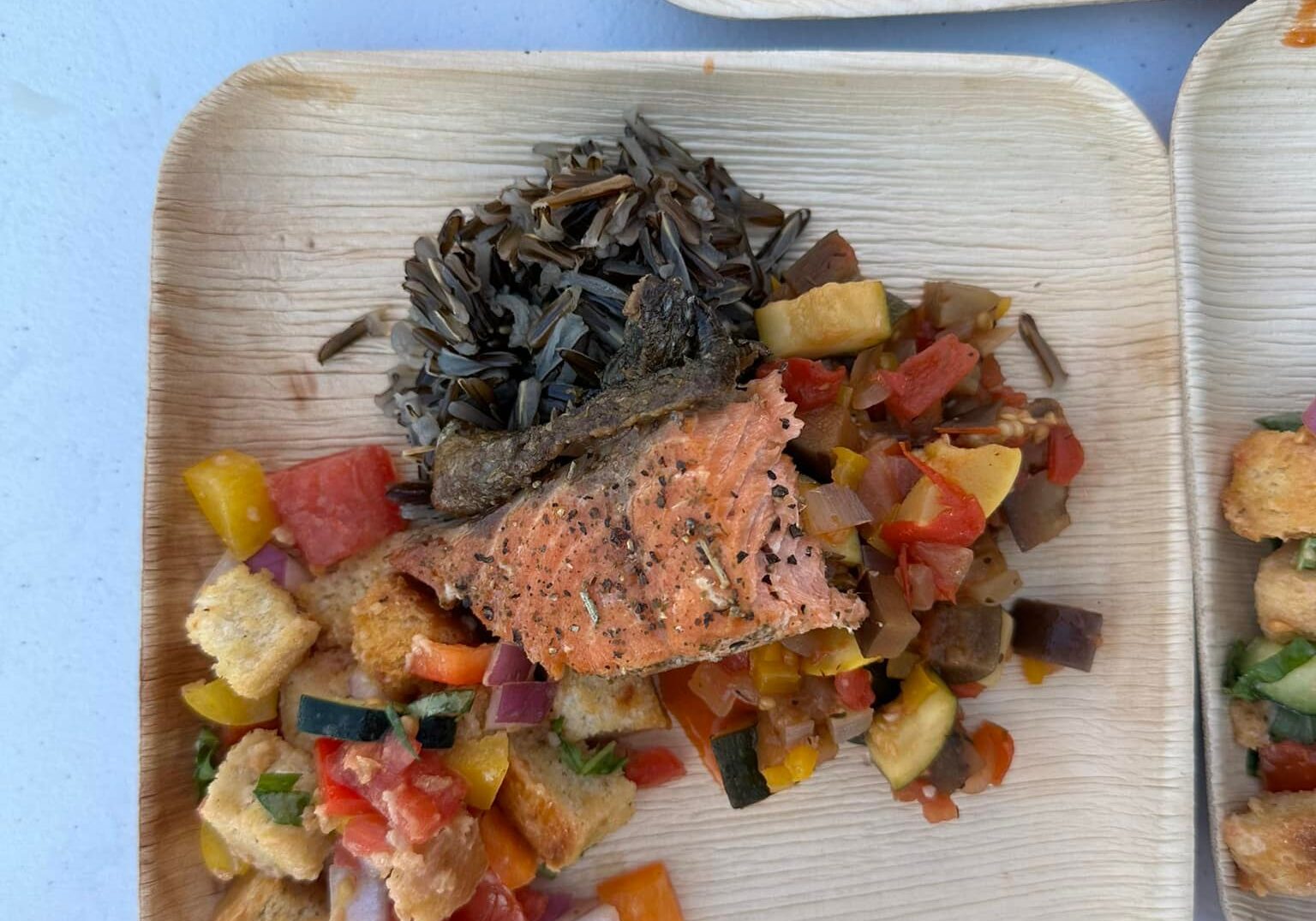
The Spokane Tribe of Indians (STOI) supports STN’s food sovereignty efforts by leasing over 23 acres to grow a demonstration garden, food forest, and work in good relationship with traditional foods and medicinal plants. STN calls this place x̣x̣súl̓eʔxʷ (pronounced: hhuxk suu lauw) that translates to “a nice little place of good ground.” The demonstration garden is configured according to the Spokane way of relating to the world. Also, STOI partners with in-kind assistance by providing support for such things seasonal workers through the temporary assistance for needy families (TANF). Several STOI programs also partner with projects and events supporting wellness, health, movement, and celebration of all things good.
The STN Tribal Food Sovereignty (TFS) Program believes in connecting people to land, plant foods, and medicines through learning and sharing knowledge of traditional foods, native and invited species, and land-based practices. TFS has grown tremendously over the last few years that include starting and caring for a food forest, holding community workshops on gathering, preserving, and preparing traditional and garden foods, and medicines as well as partnering with various STOI departments, schools districts, colleges, universities, and societies to provide Indigenous science education, field trips, and classes for the communities.
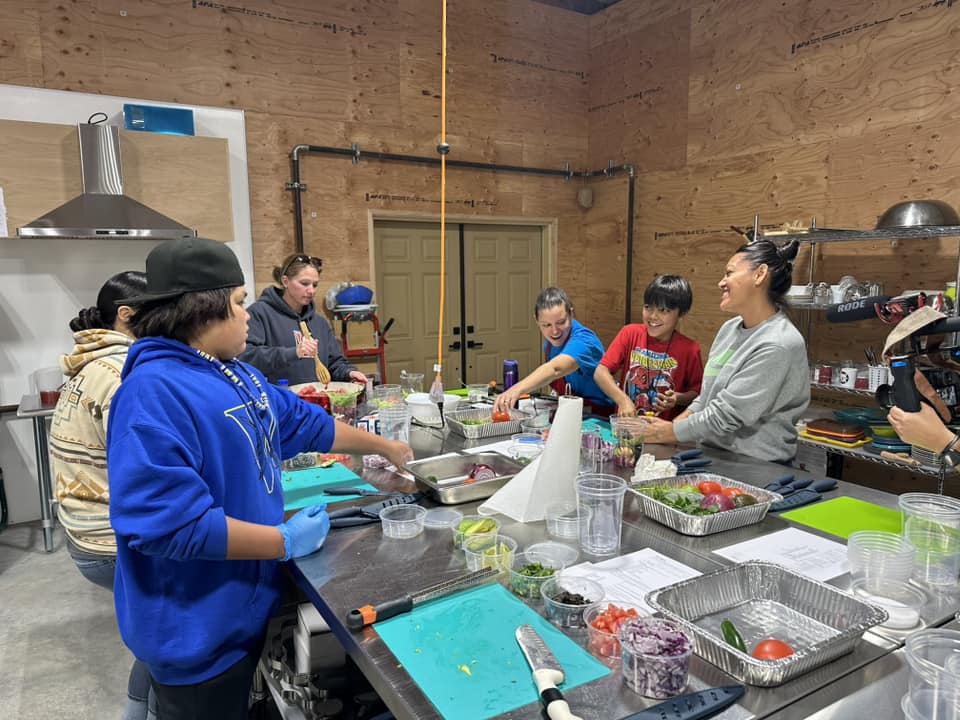
Community Health
By increasing access to healthy and culturally relevant foods, qe cut works with various partners, including tribal health and the schools to improve health outcomes in the Spokane tribal communities.
Weekly Plant Teachings
STN provides a weekly plant teaching series throughout the yearly cycle as well as cooking series for the tribal community members to learn about native plant species, garden produce, other available foods, and how to use them in meals for friends and family, and medicine.
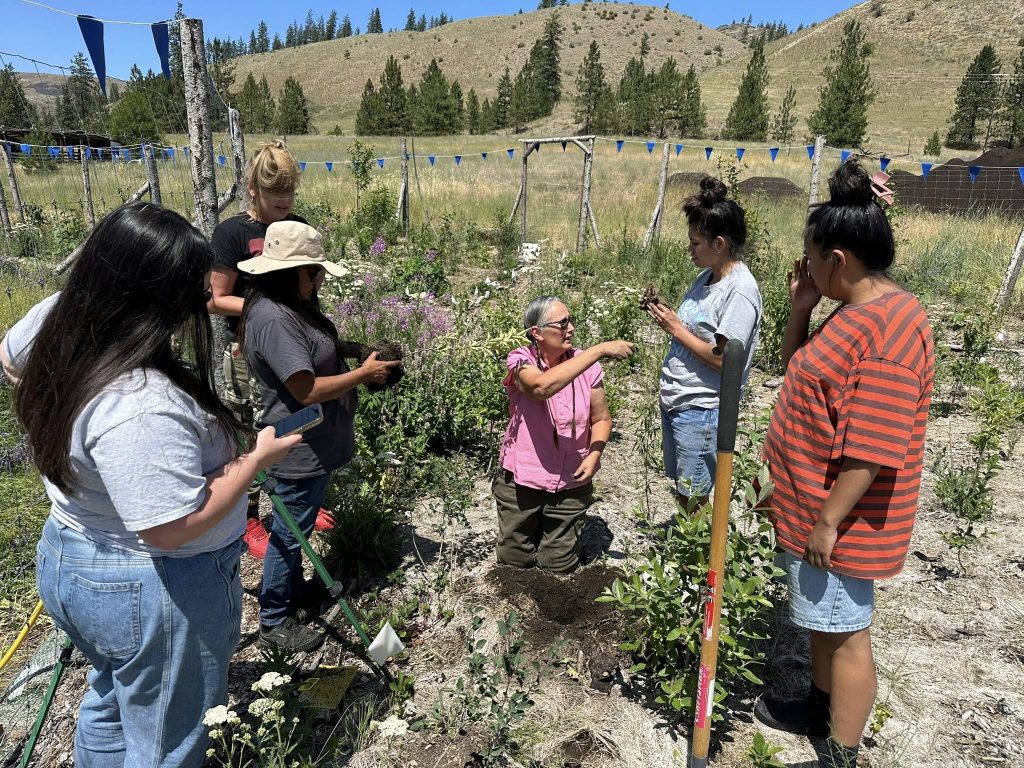
Education
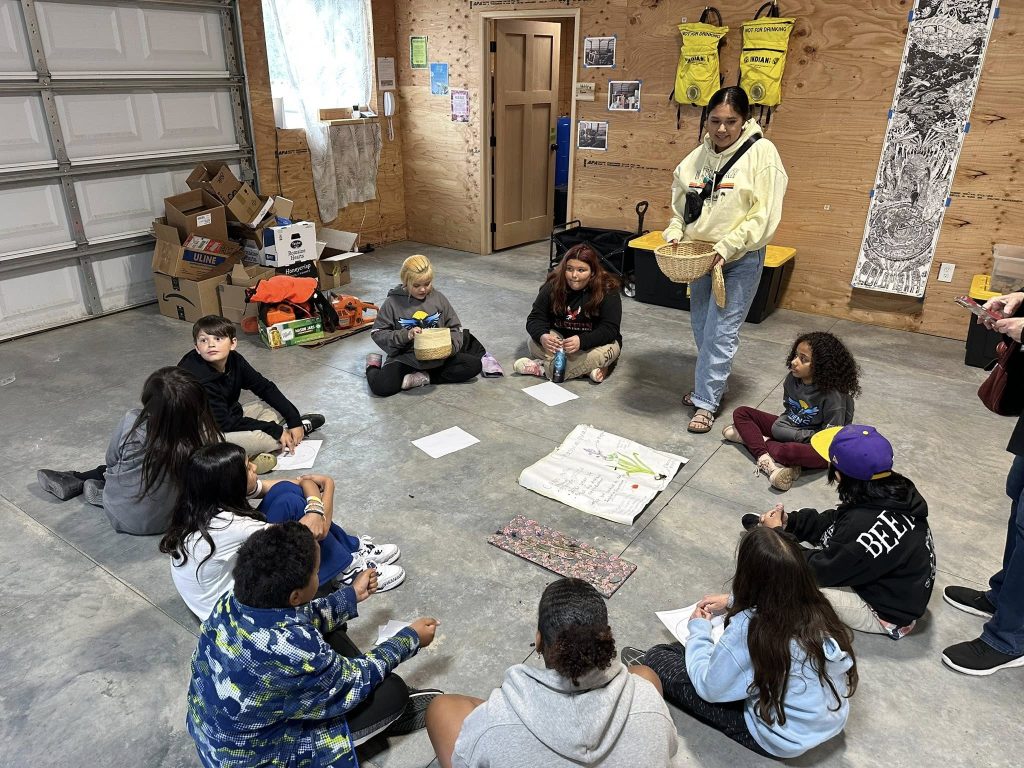
STN teamed up with Wellpinit School District (WSD) for all grades (K-12) as well as STOI preschool and early learning classes in agroecology by providing students with age-appropriate activities in native plant identification, foods and medicines, planting and nurturing, cultural burns, and plant teachings for social emotional skills. STN also provides WSD with additional plant-related information and support to students, teachers, and staff such as career connections for those interested and curious about plant knowledge, regenerative agriculture, other solutions for changing climate, traditional knowledge and practices of storytelling, and opportunities to see Salish language use in agroecology.
The power of food sovereignty and agroecology activates curiosity for plant knowledge, and shares cultural values of respect, kindness, generosity, and hospitality. Cultural values guide good hearts for all food handling from harvesting to cleaning up after meals. Ancestral memory in the mind, body, and spirit awakens our taste buds and craving for traditional foods and medicines even after decades of ongoing exposure to introduced, industrial, and commercial versions of food and medicine systems.